Tonkatsu Ramen Explained: Broth, Chashu, or Crispy Cutlet?
The world of Japanese ramen is a rich tapestry of flavors, textures, and regional variations, often defined by its broth, toppings, and noodles. Among the myriad styles, "Tonkatsu Ramen" often sparks a delightful confusion. Does it refer to the creamy, opaque pork bone broth known as *Tonkotsu*? Or does it signify a bowl of ramen crowned with a golden, crispy deep-fried pork cutlet, the dish called *Tonkatsu*? The answer, delightfully, is that it can refer to either, leading to two distinct yet equally delicious ramen experiences. This article aims to untangle this culinary enigma, exploring both interpretations and guiding you through the components that make each version a true masterpiece.
The Heart of the Bowl: Unpacking Tonkotsu Broth
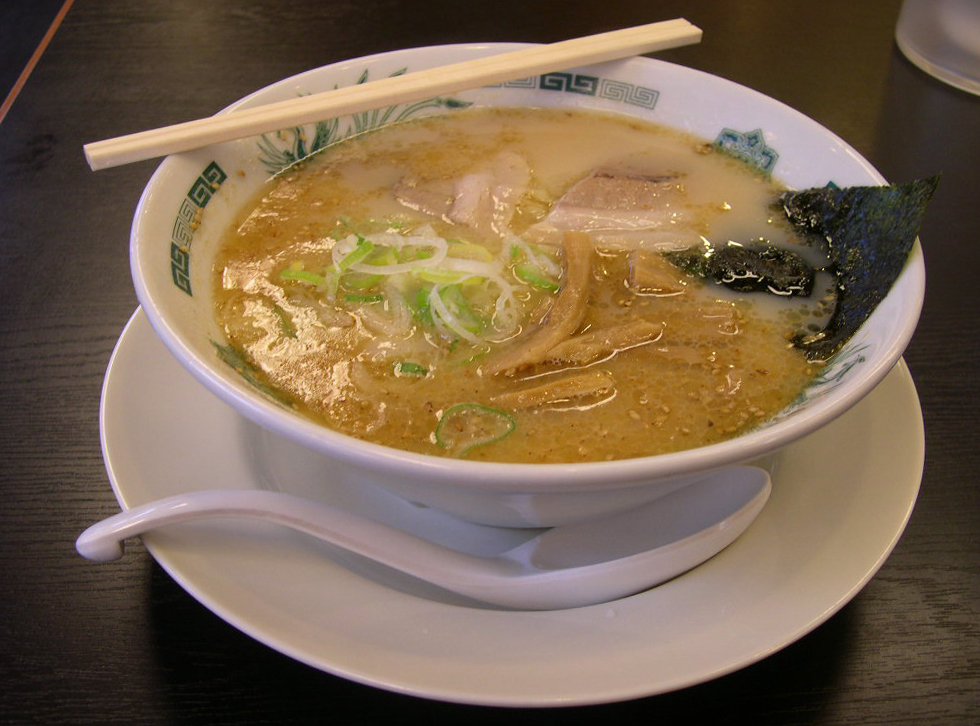
For many ramen aficionados, the term "Tonkotsu" immediately conjures images of a milky white, incredibly rich pork bone broth. This is the foundation of one of Japan's most beloved ramen styles, originating from Kyushu. The magic of Tonkotsu broth lies in its painstaking preparation, involving hours – often an entire day – of simmering pork bones, trotters, and sometimes back fat. This extended cook time extracts collagen and fat from the bones, emulsifying them into a luxurious, opaque liquid that boasts an unparalleled depth of umami.
The journey to a perfect Tonkotsu broth begins with careful preparation of pork feet and other bones. These are often sawed into smaller pieces, blanched to remove impurities, and then thoroughly rinsed. This crucial initial step ensures a clean-tasting broth free of undesirable "porky" aromas. Traditionally, the bones are then simmered in immense pots for 10-20 hours, continuously stirring and topping up with water to maintain the volume and encourage emulsification. For the home cook, a pressure cooker revolutionizes this process, dramatically cutting down the time while still achieving that signature creamy texture and profound flavor. By using a pressure cooker, the intense heat and pressure accelerate the breakdown of collagen, allowing for a rich, flavorful broth in a fraction of the traditional time. Ingredients like onions, garlic, and ginger are often added during the simmering process to infuse the broth with aromatic complexities, while spring onions contribute a fresh, herbaceous note.
The result is a thick, almost gravy-like broth that coats the noodles beautifully, delivering an intense savory punch with every spoonful. It's often seasoned with a *tare* (seasoning concentrate) and served with traditional toppings like thinly sliced *chashu*, soft-boiled eggs (ajitsuke tamago), nori, and spring onions. If you're eager to master this incredible foundation, dive deeper into the nuances of making this liquid gold with our guide:
Crafting Rich Tonkatsu Ramen Broth: Pressure Cooker Secrets.
The Star Topping: The Crispy Tonkatsu Cutlet
The second interpretation of "Tonkatsu Ramen" centers on the beloved *Tonkatsu* itself – a Japanese deep-fried pork cutlet. This iconic dish, typically served with shredded cabbage and Tonkatsu sauce, brings a delightful textural contrast and rich flavor when integrated into a ramen bowl. Here, the "Tonkatsu" refers not to the broth, but directly to the succulent, breaded pork topping.
Crafting a perfect Tonkatsu cutlet for your ramen involves several key steps. First, a boneless pork cutlet, often from the loin or fillet, is pounded to an even thickness of about 1 cm. This ensures even cooking and tender results. It's then seasoned liberally with salt and black pepper before undergoing the classic "breading trinity": dredging in flour, dipping in beaten egg, and finally coating thoroughly in crisp panko breadcrumbs. The panko is crucial; its larger, flakier texture compared to regular breadcrumbs creates that signature airy, super-crispy crust when fried.
The breaded cutlet is then deep-fried in hot oil (around 180°C) until golden brown and cooked through, usually 3-4 minutes per side. For an extra crisp coating, chilling the breaded cutlets in the refrigerator for about 30 minutes before frying helps the breadcrumbs adhere better and minimizes sogginess. Once fried, the Tonkatsu is typically sliced into easy-to-eat strips and carefully placed atop the ramen noodles. When paired with ramen, the cutlet often sits on a lighter broth – perhaps a simple chicken broth, a dashi-based broth, or even a nuanced shoyu (soy sauce) or shio (salt) broth – allowing its crispy exterior and juicy interior to shine without being overwhelmed by an equally rich Tonkotsu broth. The contrast of the crispy, savory pork against the warm, umami-rich broth and slippery noodles is simply sublime. To perfect your cutlet technique, explore our dedicated guide:
The Crispy Secret to Tonkatsu Ramen: Perfect Pork Cutlets.
Beyond the Main Components: Essential Ramen Elements
While broth and the star topping (whether Chashu or Tonkatsu) define much of the ramen experience, a truly exceptional bowl is a symphony of meticulously prepared components.
- Chashu (Braised Pork Belly): Often accompanying Tonkotsu broth, chashu is a cornerstone of many ramen bowls. Pork belly, rolled tightly and braised in a savory mixture of soy sauce, mirin, sake, and aromatics, becomes incredibly tender and flavorful. It melts in your mouth, adding another layer of rich, umami pork goodness to the broth.
- Tare (Seasoning Sauce): The unsung hero of ramen, tare is a concentrated seasoning that gives the broth its final character. Made from a blend of mirin, soy sauce, and sometimes other ingredients like sake or dashi, it's added to the bowl before the broth, ensuring a perfectly balanced flavor profile.
- Ramen Noodles: The vehicle for all these magnificent flavors, ramen noodles are typically made from wheat flour, water, salt, and kansui (an alkaline mineral water that gives them their characteristic chewiness and yellowish hue). Proper cooking is essential; they should be cooked al dente, usually only for a few minutes, and drained quickly to prevent them from becoming mushy. Rinsing them briefly with cold water after cooking can also help prevent them from overcooking and sticking.
- Eggs (Ajitsuke Tamago): Soft-boiled eggs, marinated in a soy sauce and mirin mixture, offer a creamy, savory counterpoint. Their jammy yolks and seasoned whites are a universally loved ramen topping.
- Nori (Seaweed): Strips of toasted seaweed add a distinct oceanic umami, a slight crispness, and an appealing visual element.
- Garnishings: Freshly sliced spring onions provide a sharp, fresh counterpoint to rich flavors, while sweet corn adds a touch of sweetness and textural variety. Other common garnishes include wood ear mushrooms, spinach, or bamboo shoots (menma).
Crafting Your Perfect Tonkatsu Ramen Experience
Now that we've demystified "Tonkatsu Ramen," the exciting part begins: crafting your own bowl. The beauty of ramen lies in its adaptability.
For the purist seeking a truly decadent experience, combining the rich, creamy Tonkotsu broth with slices of expertly prepared Chashu is the traditional route. The deep, long-simmered broth, combined with the tender, savory braised pork belly, creates an unparalleled depth of flavor that is both comforting and profoundly satisfying.
However, if your craving leans towards a textural adventure, a ramen bowl featuring the crispy Tonkatsu cutlet is a must-try. You can pair this glorious cutlet with a lighter, chicken or dashi-based broth to let the crispiness of the pork shine, or for an ultimate indulgence, even serve it alongside a hearty Tonkotsu broth. The latter creates a fascinating contrast: the unctuous richness of the broth against the crunchy, savory bite of the cutlet. To prevent the Tonkatsu from becoming soggy too quickly, some prefer to serve the cutlet on the side or place it gently on top of the noodles, away from prolonged contact with the hot broth.
Don't be afraid to experiment with your tare, adjusting the balance of sweet and savory to your preference. Consider adding a touch of chili oil or a dab of garlic paste to your bowl for an extra kick. The process of assembling ramen is an art form in itself, starting with the tare, then the cooked noodles, carefully arranged toppings, and finally, the steaming hot broth poured over to bring it all together.
Conclusion
Whether your ideal "Tonkatsu Ramen" evokes the velvety embrace of a long-simmered Tonkotsu broth or the satisfying crunch of a perfectly fried Tonkatsu cutlet nestled among noodles, both interpretations offer a unique and deeply gratifying culinary journey. The term highlights the wonderful diversity within ramen, proving that sometimes, the most delicious dishes are born from a playful ambiguity. So, next time you encounter "Tonkatsu Ramen," you'll know that you're in for a treat, regardless of which incredible style you choose to savor. Embrace the richness, the crispiness, and the endless possibilities of this iconic Japanese dish.