Unlocking the Umami: The Heart of Tonkatsu Ramen Broth
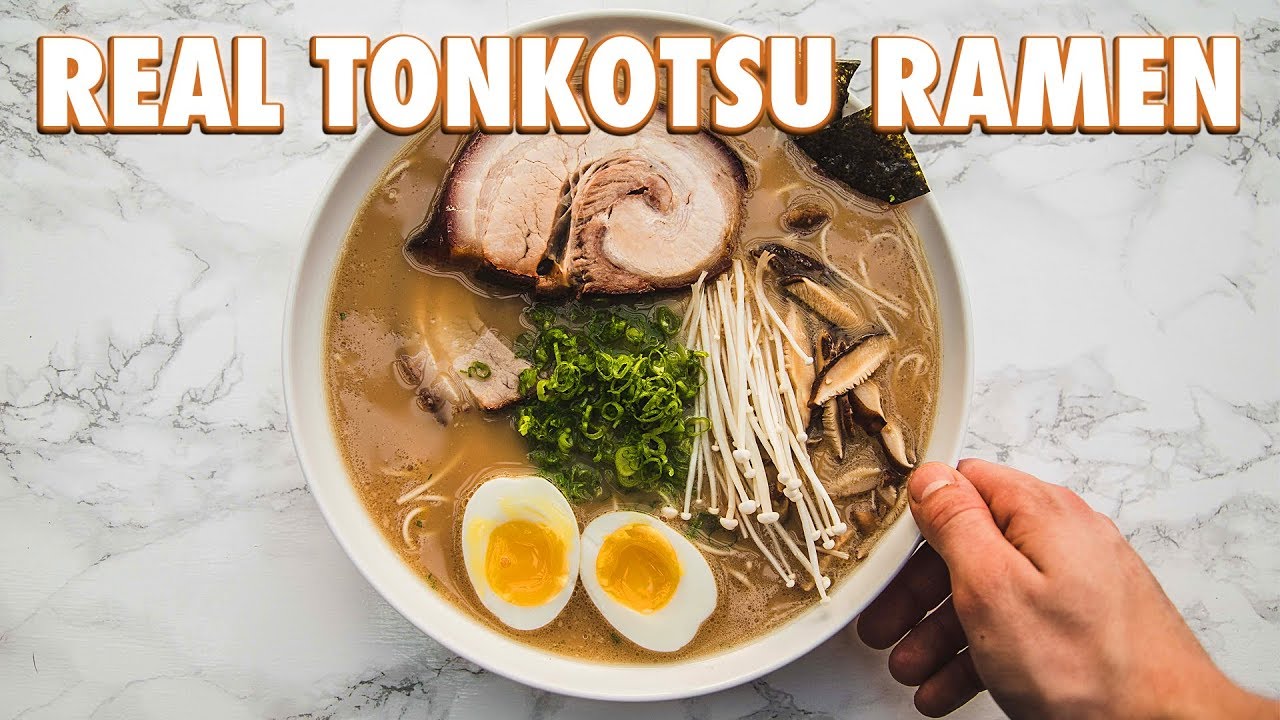
Few culinary experiences rival the soul-warming depth of a perfectly crafted bowl of Tonkatsu Ramen. While the crispy cutlet bearing the "Tonkatsu" name is a dish in itself, for ramen enthusiasts, Tonkatsu Ramen often refers to ramen featuring a rich, milky-white pork bone broth, known as tonkotsu broth. This exquisite elixir is the true backbone of the dish, a testament to time, patience, and the magic of extracting profound flavors from humble ingredients. Achieving that iconic creamy texture and unparalleled savory taste can seem daunting, but with the power of a pressure cooker, what once took endless hours of simmering on a stovetop can now be realized with remarkable efficiency and even greater depth. This guide will reveal the pressure cooker secrets to creating a Tonkatsu ramen broth that will transport your taste buds straight to the bustling streets of Japan.
The Foundation of Flavor: Essential Ingredients for Your Tonkotsu Broth
The beauty of a robust Tonkatsu ramen broth lies in its simplicity and the quality of its components. Forget obscure ingredients; it's all about maximizing the potential of pork bones and aromatics. Here's a closer look at what you'll need and why each element is crucial:
- Pig's Feet (1 kg): These are non-negotiable for achieving the signature milky texture and gelatinous richness. The high collagen content in pig's feet breaks down into gelatin during extended cooking, emulsifying into the broth to create that desirable creamy mouthfeel.
- Pork Belly with Rind (600g, boneless): Beyond adding another layer of pork flavor to the broth, this cut is destined to become your succulent chashu – tender, flavorful slices of braised pork that are a staple ramen topping. The rind also contributes valuable collagen to the broth.
- Aromatics (Onions, Garlic, Ginger, Spring Onions): These humble vegetables are flavor powerhouses. Onions and spring onions provide sweetness, garlic adds pungency, and ginger imparts a refreshing, peppery warmth that cuts through the richness of the pork. Roughly chopped, they release their aromatic oils readily.
- Mirin (100ml for broth, 150ml for tare): This sweet Japanese rice wine adds a subtle sweetness and a touch of umami, rounding out the savory notes in both the broth and the seasoning sauce (tare).
- White Wine (200ml): A dry white wine helps deglaze and adds complexity, providing a hint of acidity that brightens the overall flavor profile of the broth.
- Dashi or Chicken Stock (1.5 L): While a pure tonkotsu broth can stand alone, incorporating dashi (a traditional Japanese broth made from kombu and bonito flakes) or chicken stock adds an extra layer of umami and depth, making the broth even more compelling.
- Soy Sauce (100ml for tare): The cornerstone of the tare, providing essential saltiness, umami, and a beautiful dark hue.
Mastering the Pressure Cooker: A Step-by-Step Guide to Creamy Broth
The pressure cooker is your best friend in this endeavor, transforming hours of traditional simmering into a more manageable and incredibly efficient process. Follow these steps to achieve that coveted thick, milky Tonkatsu ramen broth:
Step 1: The Essential Blanch and Rinse
- Begin by having your butcher saw the pig's feet into 2-3 manageable pieces. This exposes more bone and marrow, facilitating better flavor extraction.
- Place the pig's feet in your pressure cooker pot and cover generously with water. Seal the lid and bring it to a boil until cooking setting 2 is reached (indicating full pressure).
- Immediately remove from heat, release the steam, and carefully open the lid. Drain the pig's feet through a sieve and rinse them thoroughly under cold running water. This crucial blanching step removes impurities, coagulated proteins, and any lingering "porky" smell, resulting in a cleaner, purer broth.
Step 2: Building the Aromatic Foundation and First Pressure Cook
- Season the boneless pork belly generously with salt. Roll it tightly, ensuring the rind is on the outside, and secure it with kitchen twine. This keeps its shape for perfect slicing later.
- Roughly chop your peeled onions, garlic, and ginger, along with the spring onions. Add these aromatics to the pressure cooker pot along with the blanched pig's feet and the rolled pork belly.
- Pour in the mirin, white wine, and dashi (or chicken stock). If needed, add enough water to fully cover all ingredients.
- Close the pressure cooker lid and heat on the highest setting. Once cooking setting 2 is achieved, reduce the heat and let it simmer under pressure for a dedicated 1.5 hours. This initial cook begins the breakdown of collagen and infuse the broth with the flavors of the pork belly and aromatics.
Step 3: Crafting the Chashu and Deepening the Broth
- After 1.5 hours, release the steam from the pressure cooker and open the lid. Carefully remove the rolled pork belly (which is now your partially cooked chashu) from the broth.
- Place the chashu in a bowl, ladle a small amount of the hot broth over it, cover tightly with cling film, and poke 4-5 small holes to allow it to breathe slightly as it cools. Set it aside to rest and further absorb flavor. This prevents it from drying out while the broth continues to cook.
- Re-seal the pressure cooker lid with just the pig's feet and remaining aromatics. Bring it back to cooking setting 2 and simmer for another full hour. This second pressure cook is where the magic truly happens, extracting maximum collagen and flavor from the pig's feet, yielding that rich, milky consistency characteristic of authentic Tonkatsu ramen broth.
Step 4: Broth Refinement and Preparation of Toppings
- While the broth is on its second simmer, prepare your seasoning sauce (tare) by mixing 150ml mirin and 100ml soy sauce in a small bowl.
- Prepare your toppings: cook fresh ramen noodles according to package instructions, boil eggs for 5-6 minutes for a jammy yolk and halve them, and slice nori sheets into strips. For perfectly crispy pork cutlets, you might prepare those separately if you're making a traditional tonkatsu-topped ramen.
- Once the final hour of simmering is complete, release the steam and open the pressure cooker.
- Carefully strain the entire broth through a fine-mesh sieve, discarding the solids. This ensures a clean, smooth broth. You can press the solids lightly to extract any remaining liquid, but avoid mashing them, which can cloud the broth.
Beyond the Broth: Assembly and Expert Tips
With your incredible tonkotsu broth ready, assembling your bowl of Tonkatsu ramen is the final, rewarding step:
- Assemble Your Bowl: Divide the prepared tare between your ramen bowls. Add the cooked ramen noodles.
- Slice the Chashu: Thinly slice your rested pork belly chashu and arrange it artfully on top of the noodles.
- Pour the Broth: Ladle the steaming hot tonkotsu broth over the noodles and chashu.
- Garnish Generously: Finish with sweet corn, fresh spring onion, nori strips, and two perfect egg halves.
Expert Tips for an Unforgettable Tonkotsu Ramen Broth:
- Chilling the Chashu: For even neater slices, once cooled, you can refrigerate the chashu for an hour or two before slicing.
- Broth Consistency: If your broth isn't as milky as desired, you can simmer it on the stovetop for a little longer after straining, reducing it further until it reaches your preferred richness.
- Storage: Leftover broth can be refrigerated for up to 3-4 days or frozen for several months. It's often even better the next day as flavors deepen.
- Customization: Don't hesitate to experiment with the tare. A dash of sesame oil, a pinch of white pepper, or a tiny bit of chili oil can personalize your bowl.
- Noodle Perfection: To prevent noodles from becoming mushy, slightly undercook them (about 30 seconds less than package directions) as they will continue to cook slightly in the hot broth.
Crafting a rich Tonkatsu ramen broth from scratch is an act of love, but one that is immensely rewarding. The pressure cooker demystifies the process, making it accessible to home cooks who yearn for that authentic, restaurant-quality experience. The deep umami, creamy texture, and complex flavor profile of a homemade tonkotsu broth elevates a simple bowl of noodles into an unforgettable culinary journey. So, gather your ingredients, fire up your pressure cooker, and prepare to impress yourself and your loved ones with the unparalleled taste of truly magnificent Tonkatsu ramen.
