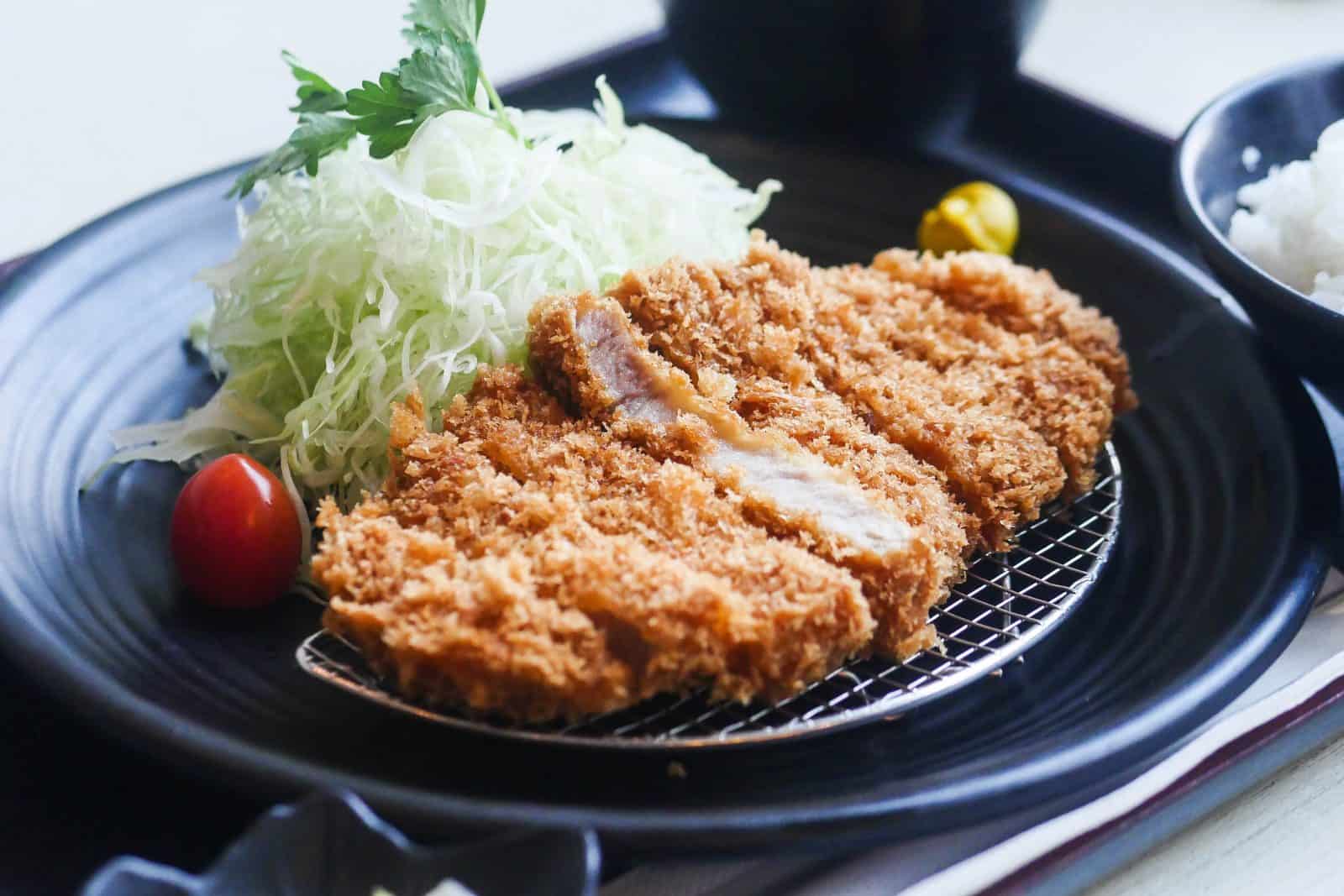
The Crispy Secret to Tonkatsu Ramen: Perfect Pork Cutlets
There are many stars in the vast galaxy of ramen, but few shine as brightly or satisfy as profoundly as Tonkatsu Ramen. While the name might often evoke the rich, milky pork bone broth (Tonkotsu), a true Tonkatsu Ramen experience features something equally iconic: a golden, crispy, deep-fried pork cutlet, known simply as tonkatsu. This crunchy, savory centerpiece transforms a delicious bowl of noodles and broth into an unforgettable culinary adventure. Mastering the perfect tonkatsu cutlet is not just about frying; it's about a meticulous process that guarantees a crisp exterior and a juicy, tender interior, elevating every slurp and bite.
The Crispy Heart of the Bowl: Mastering Your Tonkatsu Cutlet
The journey to a perfect tonkatsu begins long before it hits the hot oil. It's an art that combines careful selection, preparation, and precision cooking. Forget soggy breading or dry pork; we're aiming for a symphony of textures and flavors.
Choosing and Preparing Your Pork
The foundation of an excellent tonkatsu is, naturally, the pork itself. For the ideal cutlet, you'll want boneless pork loin or tenderloin, often sold as pork chops without the bone. Look for cuts with a good amount of marbling and perhaps a thin layer of fat on one side – this contributes to flavor and keeps the meat moist during frying.
- Even Thickness is Key: Once you have your cutlets, the next crucial step is pounding them to an even thickness, typically about 1 cm (approximately 0.4 inches). Place the pork between two sheets of cling film or inside a freezer bag and use a meat mallet or the bottom of a heavy pan. Pounding not only tenderizes the meat but also ensures uniform cooking. An uneven cutlet will have parts that are overcooked and dry, while others might still be undercooked.
- Seasoning: A simple seasoning of salt and freshly ground black pepper on both sides is all you need. The subtle flavor of the pork, along with the rich umami of the breading and broth, will do the rest. Seasoning before breading allows the flavors to penetrate the meat.
The Art of Breading: Flour, Egg, Panko Perfection
The iconic crispiness of tonkatsu comes from its distinctive breading, a three-step process that creates an impenetrable barrier, locking in moisture and delivering that satisfying crunch. This technique is often referred to as the "standard breading procedure."
- Flour First: Dredge each seasoned pork cutlet lightly in all-purpose flour. Shake off any excess. The flour provides a dry surface for the egg to adhere to.
- Egg Wash: Dip the floured cutlet into beaten eggs, ensuring it's fully coated. The egg acts as a crucial binder for the breadcrumbs.
- Panko Power: Finally, the magic ingredient: panko breadcrumbs. Panko are Japanese breadcrumbs, distinctively coarser, flakier, and lighter than traditional Western breadcrumbs. This unique texture is what gives tonkatsu its signature airy, extra-crispy crust. Coat the cutlet thoroughly in panko, pressing gently to ensure the crumbs adhere well to every surface. Don't be shy – a generous coating is essential.
Pro Tip for Extra Crispiness: For an exceptionally crispy coating, chill the breaded cutlets in the refrigerator for at least 30 minutes before frying. This allows the breading to set, preventing it from falling off during cooking and contributing to a superior crisp texture.
Frying for Golden Perfection
Frying tonkatsu is about achieving that perfect golden-brown hue and ensuring the pork is cooked through without becoming dry. The key lies in precise oil temperature control.
- Oil Temperature: Heat about 1-2 cm (0.4-0.8 inches) of neutral vegetable oil (like canola, grapeseed, or sunflower oil) in a large skillet or deep pot over medium-high heat. The ideal temperature is 170-180°C (340-350°F). You can test the oil by dropping a small panko crumb in; if it immediately sizzles and turns golden, the oil is ready. Too hot, and the breading will burn before the pork cooks; too cool, and the tonkatsu will absorb too much oil, becoming greasy.
- Frying Technique: Carefully place the breaded cutlets into the hot oil. Fry for approximately 3-4 minutes on each side, or until they are a beautiful golden brown and cooked through. The internal temperature of the pork should reach 63°C (145°F). Avoid overcrowding the pan, as this will drop the oil temperature and lead to greasy results.
- Draining: Once fried, remove the tonkatsu and place it on a wire rack set over a paper towel-lined baking sheet. This allows excess oil to drain away, maintaining that coveted crispiness.
Beyond the Cutlet: Crafting the Soulful Tonkatsu Ramen Broth
While the crispy cutlet is the star of this particular ramen, it wouldn't be Tonkatsu Ramen without a fantastic broth. The richness of the broth perfectly complements the fried pork, adding depth and umami to the dish.
There are two primary approaches to creating the broth, each offering a distinct flavor profile:
- The Traditional, Deep Pork Bone Broth: For the most authentic and gelatinous experience, a broth simmered from pork bones (especially trotters, which are rich in collagen) is paramount. This can be a lengthy process, often requiring hours of simmering to extract all the flavor and milky richness. A pressure cooker significantly speeds up this process, transforming tough cuts and bones into a deeply flavorful, opaque broth in a fraction of the time. This intensive method often involves a preliminary boil and rinse of the pork feet to remove impurities, followed by a long simmer with aromatics like onions, garlic, ginger, and spring onions, and liquids like mirin, white wine, and dashi. For a comprehensive guide to this method, explore Crafting Rich Tonkatsu Ramen Broth: Pressure Cooker Secrets.
- The Quicker, Flavorful Alternative: If time is of the essence, a lighter yet still delicious broth can be built upon a base of good quality chicken stock. This can be enhanced with soy sauce, sake (Japanese rice wine), and a touch of sesame oil, simmered briefly to meld the flavors. While it won't have the same milky body as a true Tonkotsu broth, it provides an excellent savory foundation for your crispy tonkatsu.
In either case, the broth is where much of the ramen's soul resides, providing the liquid warmth and savory backdrop against which the crispy pork truly shines.
The Flavorful Foundation: Tare and Toppings
A great ramen bowl is a harmonious ensemble of distinct components. Beyond the broth and the cutlet, the tare and various toppings play crucial roles in defining the overall experience.
The Essential Tare: Your Seasoning Base
Tare (pronounced "tah-reh") is the concentrated seasoning that forms the flavor base of your ramen. It's added to the bottom of the ramen bowl before the noodles and broth, providing a powerful punch of umami and saltiness that the broth alone might lack. For Tonkatsu Ramen, a simple yet effective tare often consists of:
- Mirin: Japanese sweet rice wine, adding subtle sweetness and depth.
- Soy Sauce: The backbone of many Japanese seasonings, providing essential saltiness and umami.
These two ingredients, when mixed, create a balanced and savory foundation that awakens the palate with every spoonful.
Complementary Toppings for Balance and Texture
Toppings add visual appeal, textural contrast, and layers of flavor to your Tonkatsu Ramen:
- Ramen Noodles: Cook fresh ramen noodles according to package instructions, typically 2-3 minutes. A crucial tip: cook them slightly undercooked (al dente) and then drain and rinse them with cold water immediately. This prevents them from becoming mushy in the hot broth and stops the cooking process.
- Soft-Boiled Eggs (Ajitsuke Tamago): Boil small eggs for 5-6 minutes for a jammy, soft-set yolk. Halve them just before serving. Marinating them in soy sauce and mirin beforehand creates exquisite ajitsuke tamago.
- Nori Sheets: Cut nori (dried seaweed) into strips for a savory, oceanic crunch.
- Green Onions (Scallions): Sliced thinly, these add a fresh, pungent bite and vibrant color.
- Sweet Corn: A small handful of sweet corn kernels provides a burst of sweetness and tender texture.
- Chashu (Optional, but traditional): While the tonkatsu cutlet is the star here, traditional chashu (braised pork belly) can also be included for another layer of porky goodness, offering a melt-in-your-mouth contrast to the crispy tonkatsu.
Assembling Your Masterpiece: The Tonkatsu Ramen Experience
With all your components ready, the final step is to bring them together into a stunning and delicious bowl. Assembly is quick, so ensure everything is hot and ready to go.
- Tare First: Spoon your prepared tare into the bottom of your ramen bowl.
- Noodles Next: Add the cooked, drained ramen noodles over the tare.
- Broth Over All: Ladle plenty of piping hot broth over the noodles and tare. The heat will help the tare dissolve and infuse the broth with its concentrated flavor.
- Slice and Serve Tonkatsu: Slice your freshly fried tonkatsu cutlet into thick strips (it's easier to eat this way) and arrange them elegantly on top of the noodles.
- Garnish Generously: Artfully place your soft-boiled egg halves, nori strips, sweet corn, and sliced green onions around the tonkatsu and noodles.
Serve immediately, allowing the aromas to fill the air before you dive into the ultimate comfort food. The combination of the rich broth, tender noodles, and the glorious crunch of the tonkatsu cutlet creates a truly unparalleled ramen experience.
The journey to crafting the perfect Tonkatsu Ramen is one of dedication and delight. From carefully pounding and breading the pork for that signature crispness to simmering a soul-satisfying broth and assembling a vibrant array of toppings, each step contributes to a culinary masterpiece. By focusing on quality ingredients and precise techniques, you can transform simple components into an extraordinary bowl that rivals any Japanese ramen shop. So, roll up your sleeves, embrace the crispy secret, and savor the reward of your homemade, perfectly balanced Tonkatsu Ramen.
